Proven for Professional Athletes. Proven For You.
Are Your Workouts Too Hard? The Risks and Recovery
When Your Workouts Are Too Hard. Recovery and Balance
We all push ourselves during workouts. The desire to get stronger, fitter, and healthier makes us lift heavier, run longer, and spend more time in the gym. We seem to buy into the “NO PAIN, NO GAIN” theory and that may be true, but when your workouts are too hard with no recovery, the results are not good. Overtraining can lead to serious health problems, injuries and even a condition called rhabdomyolysis (aka “rhabdo”). You need to know the symptoms and recognize them early.
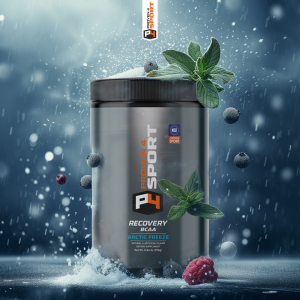
At Proven4 Sport we believe in balance and proper post workout recovery, rest and using supplements like our Recovery BCAA which is designed to help athletes recover safely and effectively after intense workouts. If you feel you are pushing your body to the limits and experiencing weird symptoms, consider monitoring your health with blood tests. Blood tests like creatine kinase test are crucial to confirm rhabdomyolysis and to monitor recovery to see if levels go down.
Overtraining and Rhabdomyolysis Symptoms
Overtraining is a common problem for fitness enthusiasts and when workouts are too frequent or too intense with no rest it can lead to many negative health effects. One of the most severe condition related to overtraining is rhabdomyolysis. Rhabdomyolysis occurs when muscle fibers break down too fast, releasing proteins like myoglobin into the bloodstream. This can lead to muscle death and kidney damage or failure if left untreated. Blood test for creatine kinase (CK) levels is important to confirm the condition and may require repeated testing during treatment to monitor CK levels.
To diagnose rhabdomyolysis, blood tests like creatine kinase (CK) test and urine tests for myoglobin are used. Early diagnosis and treatment is crucial for better recovery outcomes as symptoms can be misleading and may not always present as muscle related issues.
Rhabdomyolysis symptoms:
- Severe muscle pain, weakness or swelling especially in the arms, legs or lower back
- Dark, tea colored urine (myoglobin in the urine)
- Fatigue and feeling unwell
- Nausea or vomiting
If you experience any of these symptoms after a hard workout, see a doctor immediately. Rhabdomyolysis is a rare condition but it’s a reminder to balance hard workouts with proper post workout recovery.
When your workouts are too hard?
When your workouts are too hard your body has no time to recover. This affects many areas of your body:
- Muscle and Joint Strain
During any workout your muscles experience micro tears. These tears are a normal part of muscle growth as your body repairs and strengthens the tissue. But when you push too hard without giving your muscles time to heal you risk more serious injuries like muscle strains, sprains or joint damage. Overuse injuries like tendinitis or stress fractures can also develop from workouts done too frequently.
- Nervous System Fatigue
Your nervous system is in charge of managing the stress of workouts. Too hard workouts can overstimulate your sympathetic nervous system which leads to higher heart rate, higher blood pressure and general feeling of stress. Meanwhile your parasympathetic nervous system which helps your body rest and recover may be suppressed. This imbalance can lead to restlessness, chronic fatigue and difficulty to sleep.
- Hormonal and Immune System Disruption
Overtraining can cause your body to produce too much cortisol, the stress hormone. Chronically high cortisol levels can disrupt muscle recovery and even lead to fat storage especially in the abdominal area. Intense and prolonged workouts without recovery can also weaken your immune system making you more prone to illnesses and infections.
How do you know if you are overtraining ?: Muscle Soreness and Fatigue
It’s hard to know when you’re pushing your body and when you’re overdoing it. If you experience any of the following it’s time to re-assess your workout routine and focus on recovery:
- Decrease in workout performance, lifting lighter weights or running slower
- Persistent muscle soreness or joint pain
- No motivation to work out
- Increased irritability or mood swings
- Insomnia or poor sleep
- Frequent illnesses or injuries
If this is you, then it’s time to focus on giving your body time and resources to recover and rebuild. Distinguishing between muscle soreness and injury pain is key; remedies like tart cherry juice can help alleviate soreness and aid in muscle recovery after exercise and it mixes well with a good Post Workout Recovery supplement.
Muscle Pain: When to Be Concerned
Muscle pain is a common experience for many, especially after intense exercise or physical activity. But it’s important to know when muscle pain is part of the recovery process and when it’s a sign of a bigger issue.
Normal muscle soreness, also known as delayed onset muscle soreness, usually develops 24-48 hours after exercise and can last for several days. This type of soreness is usually mild and goes away with rest and recovery. It’s a sign your muscles are adapting and getting stronger.
But if you experience severe muscle pain, especially if it’s accompanied by other symptoms like swelling, bruising or difficulty moving, you should seek medical attention. These symptoms could be a sign of a bigger issue, like rhabdomyolysis which needs immediate medical attention. Rhabdomyolysis symptoms are severe muscle pain, weakness and dark urine and can lead to serious complications if not treated.
Also if you experience muscle pain that gets worse or persists over time, you should consult with a healthcare professional to rule out any underlying condition that may be causing the pain. Persistent muscle pain can be a sign of overtraining or other health issues that needs to be addressed.
Muscle Mass
Muscle recovery is not only for soreness relief but also for muscle gain and maintenance. When muscles are subjected to intense exercise, they get micro-tears which can lead to muscle breakdown. This is a normal part of the muscle building process as these micro-tears stimulates muscle growth.
But with proper recovery, including nutrition, hydration and rest, muscles can rebuild and get stronger. This is called muscle protein synthesis and is for building and maintaining muscle mass. Eating enough protein and carbs after workout helps fuel this process so your muscles recover and grow.
Inadequate recovery on the other hand can lead to muscle loss and decreased muscle mass. Because the body can’t repair and rebuild muscle tissue effectively, you lose muscle mass over time. Overtraining without sufficient recovery can also increase the risk of injuries and chronic fatigue.
So prioritize muscle recovery especially after intense exercise to maintain and build muscle mass. Add rest days, proper nutrition and hydration to your daily routine to support recovery and reach your fitness goals.
Post Workout Recovery for Long Term Fitness Success
We can’t stress enough how important recovery is for fitness success. After all, recovery is when your muscles repair, your energy levels replenish and your body gets stronger for future workouts. Without post workout recovery you risk slowing down your progress or causing long term damage.
- Rest Days
Rest days are a must in your training schedule. Rest days give your muscles time to heal and your nervous system a break from physical stress of intense workouts. Whether you’re strength training or endurance training, taking regular rest days will help you avoid overtraining and keep your body in top shape.
- Sleep
Sleep is when your body does most of its repair work. During deep sleep your muscles rebuild after a tough workout. Poor sleep or not enough sleep can slow down this recovery process and leave you feeling fatigued and more prone to injuries.
- Nutrition and Hydration
Feeding your body with the right nutrients after workout is crucial for recovery and muscle mass. Post workout nutrition should have a balance of protein, carbs and healthy fats. Protein is especially important for muscle repair. Staying hydrated is also important as dehydration can impede muscle function and slow down recovery.
- Post Workout Supplements
In addition to rest, sleep and nutrition, adding post workout recovery supplements can help your body recover from intense training. Proven4 Sport Recovery BCAA is a great addition to any post workout recovery routine. It’s NSF Certified for Sport®, so it’s free of banned substances so it’s a trusted choice for athletes.
Our Recovery BCAA is stimulant free, loaded with essential amino acids and electrolytes to aid in hydration. Amino acids are the building blocks of protein and after intense workouts they help with muscle repair, reduce soreness and prevent muscle breakdown. The added electrolytes also help restore balance after you’ve lost fluids through sweat so you stay hydrated and recover better.
- Carbs
Carbs are for replenishing your muscles’ glycogen stores after exercise. They provide the energy to restore glycogen levels and support muscle recovery. A mix of simple and complex carbs after workout can help speed up this process.
Nutrition for Recovery
Nutrition plays a big role in post workout recovery. After intense exercise your muscles are energy depleted and need to be replenished with the right nutrients to support muscle growth and repair. Here are the key nutrients to focus on for optimal recovery:
- Protein: Protein after workout helps repair muscle damage and promote muscle growth. Aim for 1.6 grams of protein per kilogram of body weight per day. Good sources are lean meats, fish, eggs, dairy and plant based options like beans and lentils.
- Carbs: Carbs replenish muscle glycogen stores which are depleted during exercise. Focus on complex carbs like whole grains, fruits and vegetables. These provide sustained energy and support muscle recovery.
- Healthy Fats: Add fats like nuts, seeds, avocados and olive oil in your diet to support hormone production and overall health. Healthy fats also help in absorption of fat soluble vitamins which are important for recovery.
- Electrolytes: Electrolytes like sodium, potassium and magnesium are lost in sweat during exercise. Include electrolyte rich foods like bananas, dates and coconut water in your diet to replenish them. These minerals are important for muscle function and preventing cramps.
- Antioxidants: Antioxidants like vitamins C and E and polyphenols help reduce muscle damage and inflammation caused by intense exercise. Include berries, leafy greens and other fruits and vegetables in your diet to support recovery and overall health.
By focusing on these nutrients you can recover better after workout, support muscle growth and have your body ready for the next workout.
Rest and Sleep for Recovery
Rest and sleep are important for muscle recovery. When you don’t get enough sleep your body can’t repair and rebuild muscle tissue effectively and you’ll feel sore and underperform. Here are some tips to prioritize rest and sleep for recovery:
- Aim for 7-9 hours of sleep each night: This helps your muscles recover from the day’s activities and prepares you for the next workout. Quality sleep is important for the release of growth hormones that help in muscle repair.
- Establish a sleep schedule: Going to bed and waking up at the same time every day helps regulate your body’s internal clock and makes it easier to fall asleep and wake up feeling fresh.
- Create a bedtime routine: Activities like reading, taking a warm bath or practicing mindfulness can signal to your body that it’s time to sleep. Avoid stimulating activities before bed to have a good night’s sleep.
- Avoid electronics before bedtime: The blue light from phones, tablets and computers can interfere with your sleep. Try to disconnect at least an hour before bed to improve sleep quality.
- Take rest days as needed: Listen to your body and include rest days in your training schedule. On non-training days prioritize active recovery techniques like foam rolling and stretching to aid muscle recovery.
By prioritizing rest and sleep you can recover better, reduce muscle soreness and overall performance.
Stretching and Foam Rolling for Recovery 
Stretching and foam rolling are post-workout recovery tools. These techniques reduce muscle soreness, improve flexibility and promote blood flow to the affected areas. Here are some tips to include stretching and foam rolling in your recovery routine:
- Focus on static stretches: Hold the muscle in a lengthened position for 20-30 seconds. This improves flexibility and reduces muscle tightness. Target major muscle groups like hamstrings, quadriceps and shoulders.
- Incorporate dynamic stretches: Move the joint through a range of motion before exercise. Dynamic stretches prepare your muscles for activity and can prevent injuries.
- Use a foam roller: Roll out tight areas, focus on slow and controlled movements. Foam rolling releases muscle knots and improves blood flow and aids in recovery.
- Spend 5-10 minutes on stretching and foam rolling after each workout: Prioritize areas that feel tight or sore. Consistent stretching and foam rolling can prevent muscle imbalances and reduce the risk of injury.
- Incorporate self-myofascial release techniques: Use tools like lacrosse ball or trigger point therapy to target specific areas of tension. These techniques can release deep muscle knots and improve overall muscle function.
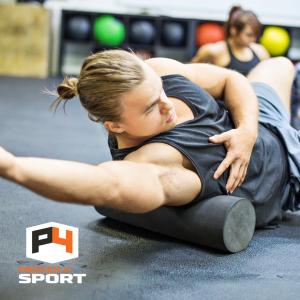
By including stretching and foam rolling in your post-workout routine you can recover better, reduce muscle soreness and flexibility and have your body ready for the next workout.
Trainers Can Help You Avoid Overtraining
Working with a certified trainer or strength and conditioning coach is one of the best ways to avoid overtraining. Trainers can design a personalized program that balances intensity with recovery and helps you push your limits safely.
A certified trainer can also help you improve your workout form, adjust your program based on your progress and make sure you’re getting enough recovery time. They will help you listen to your body and know when to rest and prevent burnout and injury.
The Secret to a Balanced Program
At Proven4 Sport we believe balance is key to long term success in any fitness program. Intense workouts are important but they must be paired with adequate recovery to prevent overtraining and injuries. By including rest days, getting enough sleep and using effective post-workout recovery supplements like Proven4 Recovery BCAA you can give your body the tools to get stronger and perform at its best.
Conclusion
Pushing your body to new limits is part of the fitness journey but overdoing it without proper recovery can lead to serious health problems including rhabdomyolysis symptoms. By prioritizing recovery including rest days, post-workout nutrition and supplements like Proven4 Recovery BCAA you’ll not only avoid the dangers of overtraining but also improve your performance and reach your goals faster.
Remember, your body needs time to recover and grow. Train hard, but recover smart. Stay balanced, and stay Proven strong.